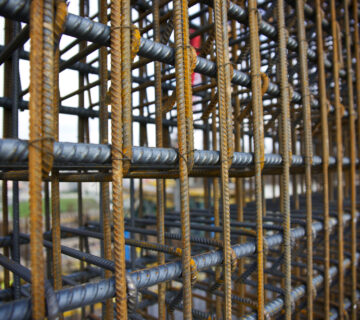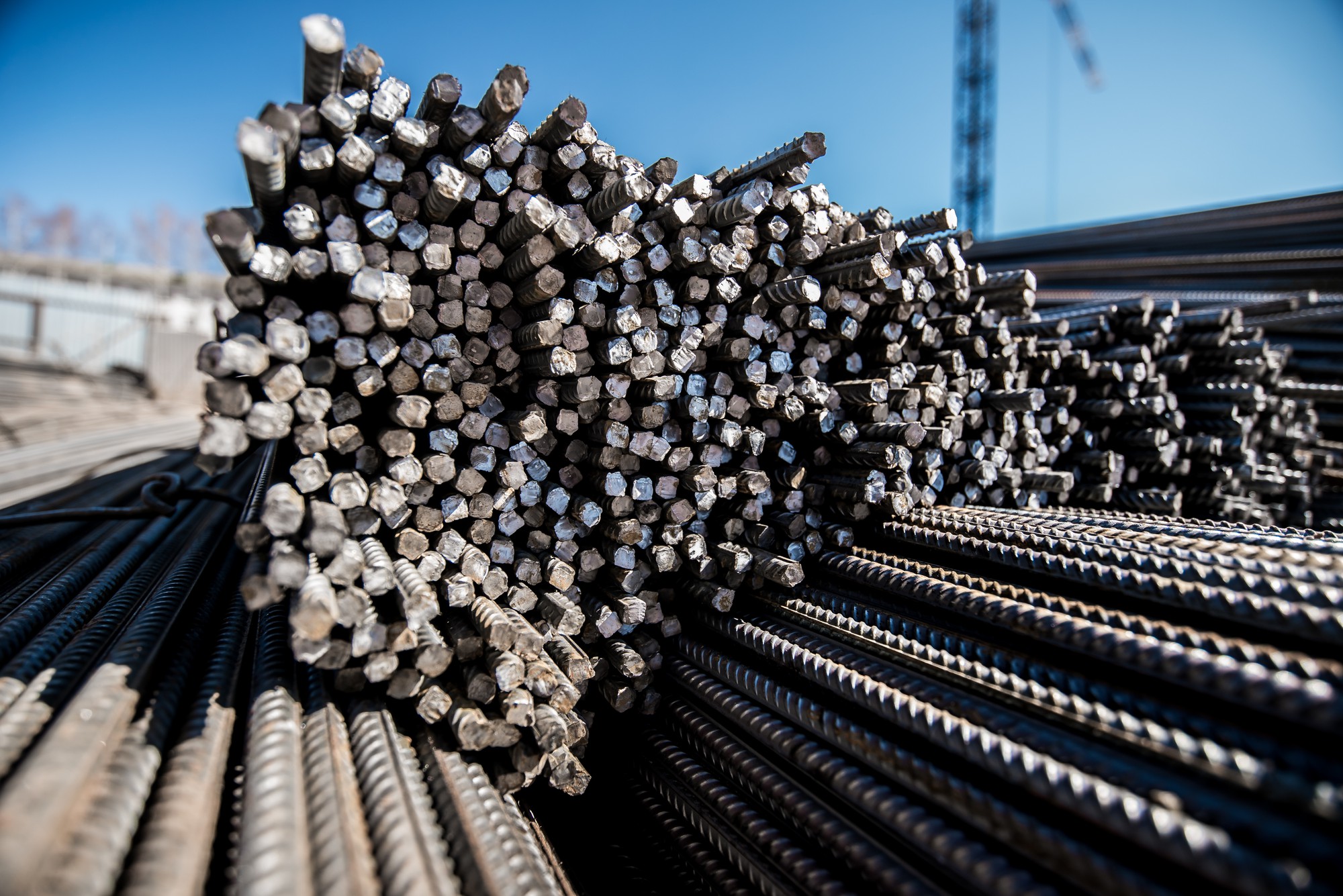
Selecting the right reinforcement steel bars (rebar) is critical for ensuring the structural strength and durability of any construction project. With various types, grades, and specifications available, understanding the key factors to consider can help in making informed decisions.
1. Type of Reinforcement Steel Bars Different construction projects require specific types of rebar. Common types include:
- Mild Steel Bars: Suitable for lightweight applications.
- Deformed Steel Bars: Best for heavy-duty and load-bearing structures.
- Epoxy-Coated Rebars: Ideal for environments exposed to moisture.
- Stainless Steel Rebars: Perfect for areas requiring high corrosion resistance.
2. Grade of Steel Rebars come in different grades, reflecting their tensile strength. For instance, Grade 40 and Grade 60 are widely used, with Grade 60 offering higher tensile strength suitable for large-scale projects.
3. Diameter and Size The size of rebar is crucial for structural stability. Common diameters range from 6 mm to 50 mm, depending on the load-bearing requirements of the structure.
4. Corrosion Resistance In environments prone to moisture, using corrosion-resistant rebar, such as epoxy-coated or stainless steel, is vital for maintaining long-term structural integrity.
5. Compliance with Standards Always ensure the rebar meets local and international standards like ASTM, BS, or ISO. Compliance guarantees quality, performance, and safety.
6. Cost Considerations While high-quality rebar may have a higher initial cost, it can save money in the long run by reducing maintenance and enhancing structural durability.
Conclusion Choosing the right reinforcement steel bars involves understanding the project’s specific needs, including type, grade, size, and environmental conditions. By considering these factors, builders can ensure the strength, safety, and longevity of their structures.